
The Hidden Costs of LA’s "82-Degree Mandate": Will Renters and Owners Both Pay the Price?
A new housing mandate has officially passed in LA County, and the Los Angeles City Council is considering following suit. On the surface, the policy—designed to keep Los Angeles apartments cool during sweltering summers—sounds like a massive win for tenants.
Dubbed the "82-Degree Mandate," the rule requires landlords to install air conditioning or other cooling mechanisms to ensure rental units do not exceed 82 degrees Fahrenheit.
While keeping renters safe from extreme heat is a noble and necessary goal, a closer look at the logistics of this mandate reveals a costly reality. When we dig into the details, it becomes clear that this policy could end up costing both renters and independent property owners a fortune.
Here is a breakdown of the unintended consequences.
The Renter’s Burden: Skyrocketing Bills and Blackouts
It’s easy to assume that forcing landlords to install air conditioning equipment is a purely pro-tenant move. However, the reality of how utilities work in Los Angeles paints a different picture.
You Gotta Pay for the Power: Approximately 80% of renters pay their own electricity bills. While the property owner must install the air conditioning units, the tenant is on the hook for the massive summer utility costs required to constantly cool an apartment to 82 degrees.
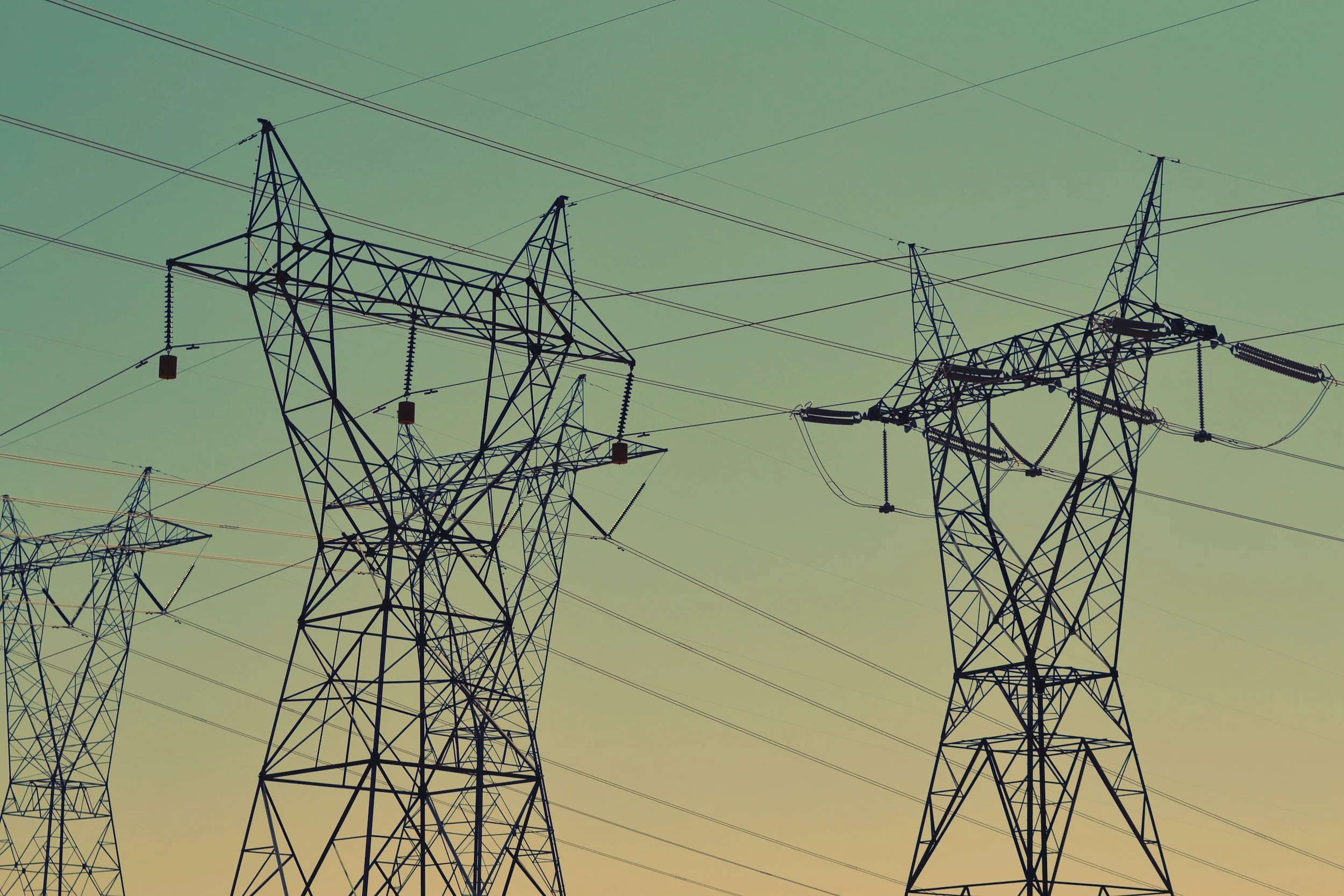
Grid Strain and Blackouts: Los Angeles' power grid is already notoriously fragile, particularly during heat waves (and, when don’t we have heat waves?). Critics argue that Los Angeles County pushed this mandate through without adequately consulting utility companies or reviewing environmental impacts. Flooding the grid with millions of new, high-demand air conditioners could pave the way for rolling summer blackouts.
Environmental Impacts: Very likely, the ONLY way to achieve the 82 degrees, particularly in hotter areas of the Los Angeles Basin such as the San Fernando Valley, would be to install air conditioning equipment. However, air conditioning equipment leaks refrigerant chemicals like Freon, which cause significant ozone depletion and global warming. Yet, no environmental impact study was undertaken by the County of Los Angeles in advance of imposing the 82-Degree Mandate.
The Independent Landlord’s Dilemma
For large corporate developers, installing new air conditioning units might just be another line item. But for independent "mom-and-pop" property owners, the mandate presents a severe financial crisis.
Massive Debt for Electrical Upgrades: Older buildings in Los Angeles are simply not wired to handle modern HVAC systems or multiple window air conditioning units. Landlords aren't just buying air conditioners; they are being forced into six-figure electrical panel and wiring upgrades.
Zero Cost Recovery: Under the current framework, independent owners are expected to absorb this massive debt for equipment costs and electrical upgrades with zero avenues available for cost recovery. Ultimately, these financial pressures squeeze the middle-class housing provider and will inevitably put upward pressure on overall rent prices as owners struggle to stay afloat. Alternatively, those smaller owners who simply cannot afford to comply with the mandate will exit the housing business entirely, selling out to a larger, corporate owner that will redevelop the property and remove independently owned, affordable housing units from the rental market.
The Missed Opportunity: The 86-Degree Alternative
Perhaps the most frustrating aspect of the mandate is the specific temperature chosen. We must ask ourselves: Why 82 degrees? For context, the California state workplace standard is set at 86 degrees.
If the county had aligned the residential limit with the state’s 86-degree workplace standard, property owners could utilize highly effective, eco-friendly and less toxic for the environment alternatives. At 86 degrees, cheap, energy-efficient evaporative coolers (often called "swamp coolers") would be sufficient to meet the mandate.
Instead, by lowering the requirement to 82 degrees, the county has effectively outlawed these greener and less costly alternatives, forcing the installation of expensive, grid-draining, ozone polluting air conditioning units.
Everyone deserves a safe, livable environment, especially as summer temperatures continue to rise. However, when politicians draft housing policies that ignore the boots-on-the-ground reality of infrastructure and utility costs, everybody pays the price. Under the current 82-Degree Mandate, renters will see their utility bills spike, owners will go into debt, air pollution will become worse, and the electrical grid will be pushed to the brink.